
Last Updated on Tuesday, 29 July 2025, 21:26 by Writer
Even as Guyana so far recorded 70 road deaths for the year, efforts are under way by the government, private sector and non-governmental stakeholders to improve road safety through several strategies and campaigns.
Led by the United Kingdom-headquartered Aodhan Consultancy Ltd, the 15-20 members of the Road Safety Implementation Board (RSIB) include decision-makers from the Guyana Police Force, Ministry of Home Affairs, Insurance Association of Guyana, and the National Road Safety Council (NRSC) whose tasks include the crafting of seven plans on deter and detect, data-driven road safety, national conversation, road safety and flow, road infrastructure, pave the way and a clinical response.
Founder and Head of Aodhan Consultancy, Greg Quinn said addressing those issues point in the direction of legislation, infrastructure, communication, response to accidents and behaviour of drivers.
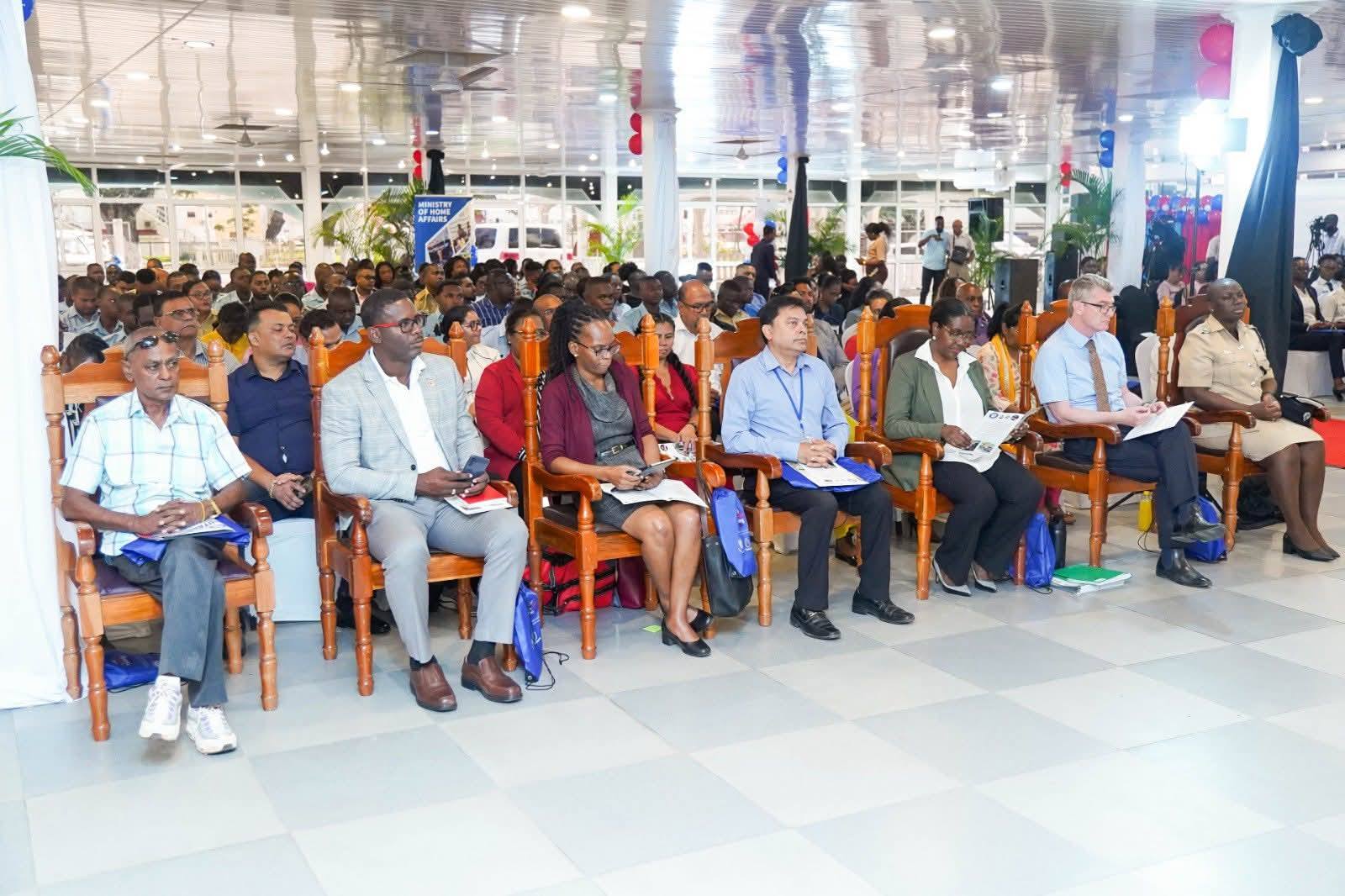
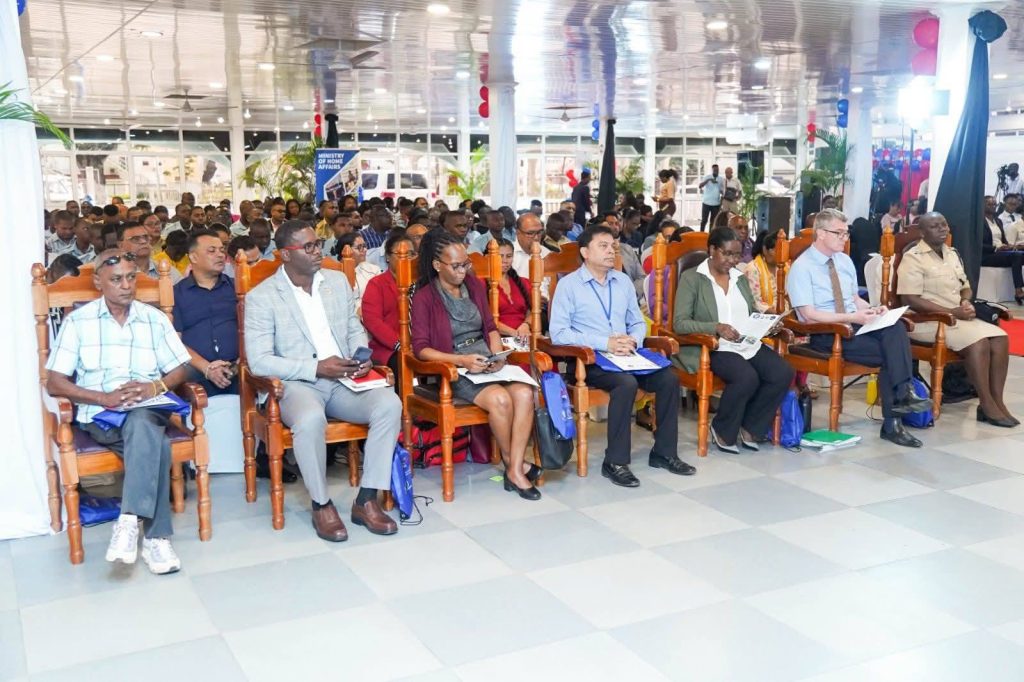
“Only by having a truly cross government and private sector approach can we make a difference,” he told the Guyana National Road Safety Stakeholders Forum 2025 that was held by the Ministry of Home Affairs in collaboration with the GPF and the NRSC.
The seven plans and four campaigns, he said, would aim to address Guyana’s road carnage. “The first stage of this project entails designing, selecting and implementing some early ‘quick wins’ and other suggestions to show a positive impact on the currently devastating levels of death and injuries on Guyana’s roads,” he said.
Mr Quinn, who is the UK’s former High Commissioner to Guyana, said the RSID meets as a group and takes decisions as a group to address the goals of the Ministry of Home Affairs and the GNRSC. The Board is chaired by Permanent Secretary of the Ministry of Home Affairs Andre Ally with Mr Quinn and Ms Michelle King as co-chairs.
The GNRSC praised the introduction of speed cameras, saying it was effective in slowing down motorists. “There are more speed cameras and so people have to think about whether they want a ticket or do the right thing,” NRSC Chairman, Earl Lambert told the stakeholders forum.
The NRSC also reiterated its call for a “three strike system” that would see motorists being penalised over time if they have several road traffic tickets or infractions. The NRSC said options could include the suspension or revocation of drivers’ licenses after which they would have to return to driving school or driving practice before they are allowed to drive again.
“That, by itself, will send a message because a lot of us use our drivers licence to earn – minibus drivers, taxis and persons who drive to work – and if those licences are suspended, it’s going to send a message that you need to exercise care, caution, consideration, courtesy and commonsense when using the road and I think, that by itself, will contribute heavily towards the way we use our roads and to make the road a safe place” Mr Lambert added.
Meanwhile, Secure Eye Systems Analyst, Priya Seepaul, introduced the Secure Eye app which the Guyana Police Force described as “a dynamic, real-time crime and incident reporting platform that empowers citizens to be the eyes and ears of their community”. With global positioning service (GPS) features, anonymous reporting options, and a direct link to law enforcement databases, the app symbolises a new era of community-police cooperation and digital accountability, the police force added.