
Last Updated on Wednesday, 5 February 2025, 21:27 by Writer
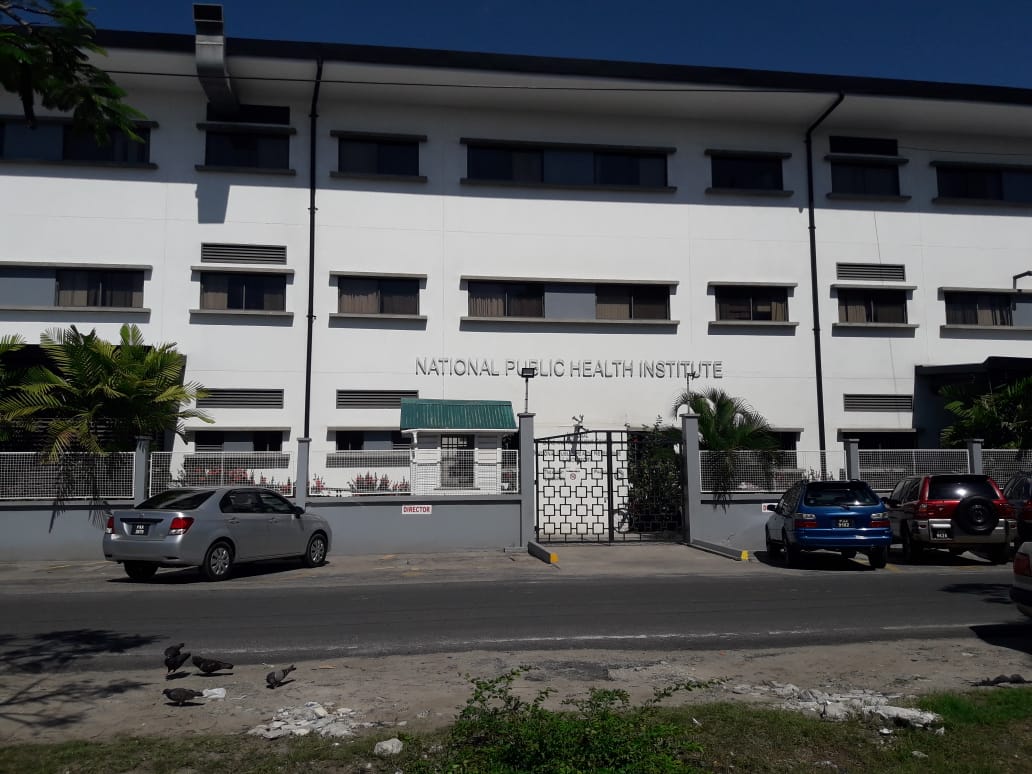
Health Minister Dr Frank Anthony on Wednesday announced that the now internationally accredited National Public Health Reference Laboratory (NPHRL) was being used to supply influenza virus specimens for the development of vaccines.
He told the National Assembly that the NPHRL, which was late last year accredited by the Pan-American Health Organisation/World Health Organisation (PAHO/WHO), is now part of the South American region’s influenza surveillance network.
In that regard, he said that lab helped to contribute to the development of a flu vaccine, as every year specimens from the previous year’s variant is used to predict the next variant. “This year, some of the vaccines that are made for influenza, some of the samples came from our lab,” he told the National Assembly. “We’ve been able to supply WHO with samples last year and so the design of the vaccine for this year would be using some of the samples that we sent,” he said.
He said influenza vaccines would for the first time this year be administered in Guyana, with the priority being the elderly and healthcare workers.
The Health Minister also announced that the public health system was preparing to develop laboratory capacity to do human leukocyte antigen (HLA) testing for organ transplantation which now costs US$3,500 per test at a lab in the United States. He also said local HLA testing would be necessary if surgeons are to transplant organs from dead to living persons. “More importantly because we want to move from live donors to a process where we can use organs from deceased donors, we would need to make sure that we have a registry and to do that registry, we’ll need HLA testing,” he said.
In response to questions by Shadow Health Minister, Dr Karen Cummings, the Health Minister said the modern Pathology Laboratory, now accredited, could now do 14 histochemistry tests and the wait time for biopsy tests have been reduced from three months down to three or seven days. He said the lab could now differentiate the types of breast cancer to inform doctors about the best treatment.
Dr Anthony said that laboratory could take samples to determine the borders of a cancer for which results could be produced for doctors within 20 minutes. That laboratory could not digitalise slides and shared with an overseas laboratory for a second opinion.
Discover more from Demerara Waves Online News- Guyana
Subscribe to get the latest posts sent to your email.