

Last Updated on Saturday, 28 February 2026, 0:47 by Writer

Caribbean Community (CARICOM) leaders agreed to send much-needed assistance to Cuba but said it would take a few weeks before the regional bloc decides exactly what would be rushed to the communist-ruled island where the humanitarian crisis has worsened as a result of stiffer United States (US) sanctions.
“With respect to Cuba and humanitarian efforts, we are going to respond on the humanitarian end in short order within a month,” CARICOM Chairman, St Kitts and Nevis Prime Minister Dr Terrance Drew told a news conference at the end of the summit.
He could not say whether fuel would be among the supplies to be sent to that Spanish-speaking Caribbean nation of just under 10 million people who have been enduring widespread blackouts, garbage pile-ups, limited hospital services, severe food shortages and limited international flights because of no refuelling capacity at the airport.
“We are looking at when the team comes together, these teams will determine what would be the requirement, and within that, we will determine the humanitarian aid that will be offered,” Dr Drew said.
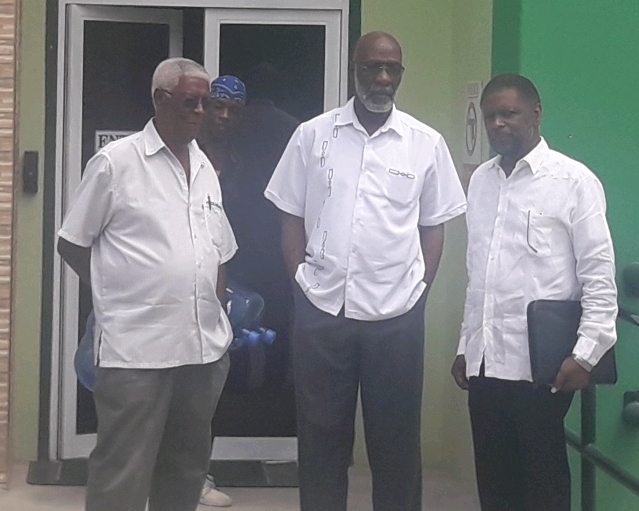
A well-known Guyanese shipping magnate on Friday told Demerara Waves Online News that he had not received any word yet on steps that would be required to mobilise and ship relief to Cuba.
Since the US removed Venezuela’s President Nicolás Maduro from power on January 3, 2026 and prevailed on the remainder of the administration under interim President, Delcy Rodriguez, Venezuela has stopped sending oil to its ally, Cuba.
The US in recent days has since softened its fuel sanctions, allowing Venezuelan fuel exports only to Cuba’s nascent private sector rather than the government which controls almost all public goods and services including utilities, hospitals, some hotels and other operations.
Separately, CARICOM and the US said in a joint statement that they recognised the need to ease the humanitarian crisis. “The matter of the challenging situation in Cuba was also discussed. All parties recognised that there should be efforts to address the growing humanitarian crisis,” the two sides said in the statement on the meeting between CARICOM leaders and US Secretary of State, Marco Rubio in St Kitts.
Cuba has over the decades provided critically needed doctors, nurses and other health sector personnel to several CARICOM member states through the Cuban Medical Brigade programme.
Many CARICOM member states also have nationals studying there.
In recent months, under US threats of government officials and their immediate family members losing their visas, several Caribbean countries have scrapped the formal Cuban medical brigade relationship for fear of being cited for forced labour or people trafficking.
Meanwhile, the US and CARICOM agreed to conclude a cooperation framework appropriate to the 21st century to support the needs and interests of the Caribbean Community and the US.
They said that framework should address a structured migration programme, security cooperation, trade and investment, disaster recovery, human development and technical assistance.
CARICOM and the US’ last “structured engagement” dates back to about 50 years under President Ronald Reagan.