
Last Updated on Thursday, 30 July 2026, 23:53 by Writer
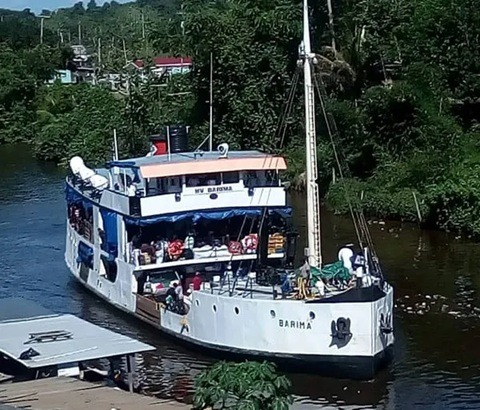
President Irfaan Ali on Sunday announced the five-member Commission of Inquiry (CoI) into the sinking of the MV Barima ferry that unofficially claimed the lives of more than 100 persons.
None of the commissioners is Guyanese.
Two are from Trinidad and Tobago, one each from Belize, Jamaica and Poland.
“The necessary legal instruments required to give effect to this decision are currently being formalized. Upon completion, the Commission will commence its work in accordance with the provisions of the law,” he said.
The Guyana government said an estimated 179 persons were aboard of which a total of 73 bodies have now been recovered with 69 of them positively identified.
In keeping with Section 2.1 of the Commissions of Inquiry Act, he said the CoI members are:
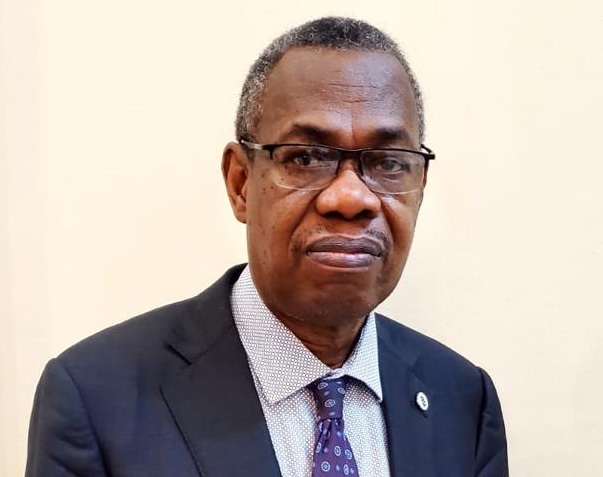
- Chairman of the Commission of Inquiry Justice Godfrey Philip Smith of Belize, CARICOM High Level Representative for Law and Criminal Justice and an ad hoc justice of the Eastern Caribbean Court of Appeal;
- Dr. Andrzej Jasionowski of Poland, Naval Architect and Marine Engineer, who has advised on investigations into several major maritime disasters;
- Captain Hamada Fouda, Senior Maritime Surveyor and Compliance Auditor with the Maritime Authority of Jamaica;
- Ms. Nyree Dawn Alfonso of Trinidad and Tobago, Attorney at Law with expertise in Admirality and Maritime Law, and
- Rear Admiral (Ret’d) Hayden A. Pritchard of Trinidad and Tobago, a distinguished professional with decades of experience in maritime operations and maritime security.
He said:
The Commission will determine its own procedures and methods of work consistent with its mandate. The terms of reference of the Commission of Inquiry will be establishing the full circumstances surrounding the tragedy, including the causes and all other factors relating to the loading of the vessel, the boarding of passengers, conditions on board, the capsizing and sinking of the MV Barima, and any other related matters. Reviewing comprehensively all aspects of the search, rescue, and recovery operations, including the adequacy, coordination, and effectiveness of the response by all agencies and stakeholders involved.
Evaluating the extent to which applicable laws, regulations, standards, and operating procedures governing ferries were complied with. Determining whether any acts of negligence, misconduct, dereliction of duty, or other failures by any individual, entity, or institution contributed to or caused the disaster. Inspecting the condition and maintenance history of the vessel, including its seaworthiness, analyzing the influence of weather, sea conditions, tides, currents, navigation, communications, and other environmental or operational factors that may have contributed to the incident.
Appraising the competence, qualification, training, and conduct of the vessel’s master and crew, including compliance with established maritime safety and emergency procedures. Scrutinizing passenger management, including embarkation procedures, manifest preparation, the possible overcrowding of the vessel, the stowage of cargo, availability and use of life-saving equipment, and adherence to passenger safety requirements. Recommending any legislative, regulatory, institutional, and operational reforms, together with any other measures, necessary to strengthen maritime safety, improve emergency preparedness and response, and reduce the likelihood of similar tragedies occurring in the future.