

Last Updated on Sunday, 25 October 2026, 10:55 by Writer
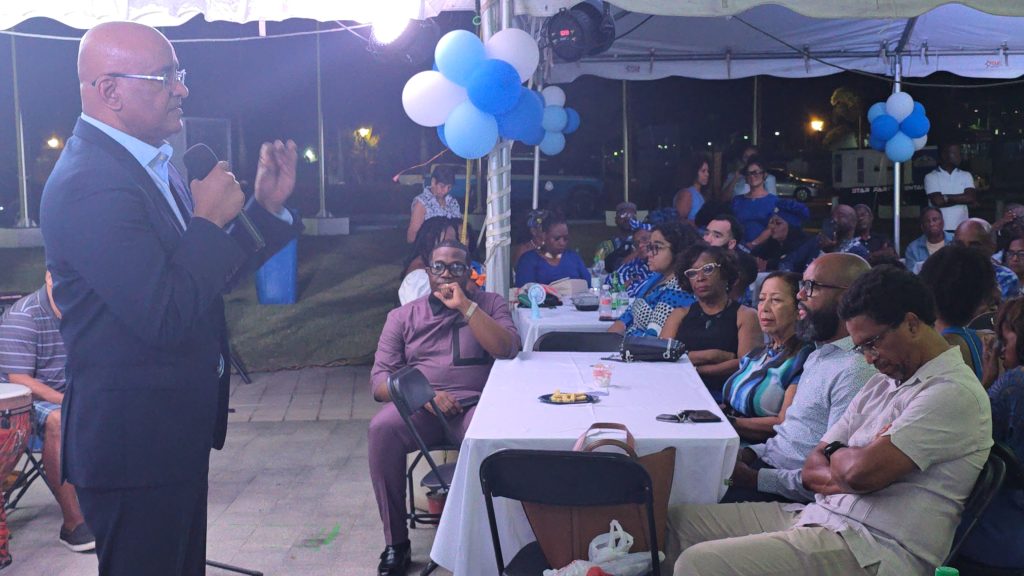
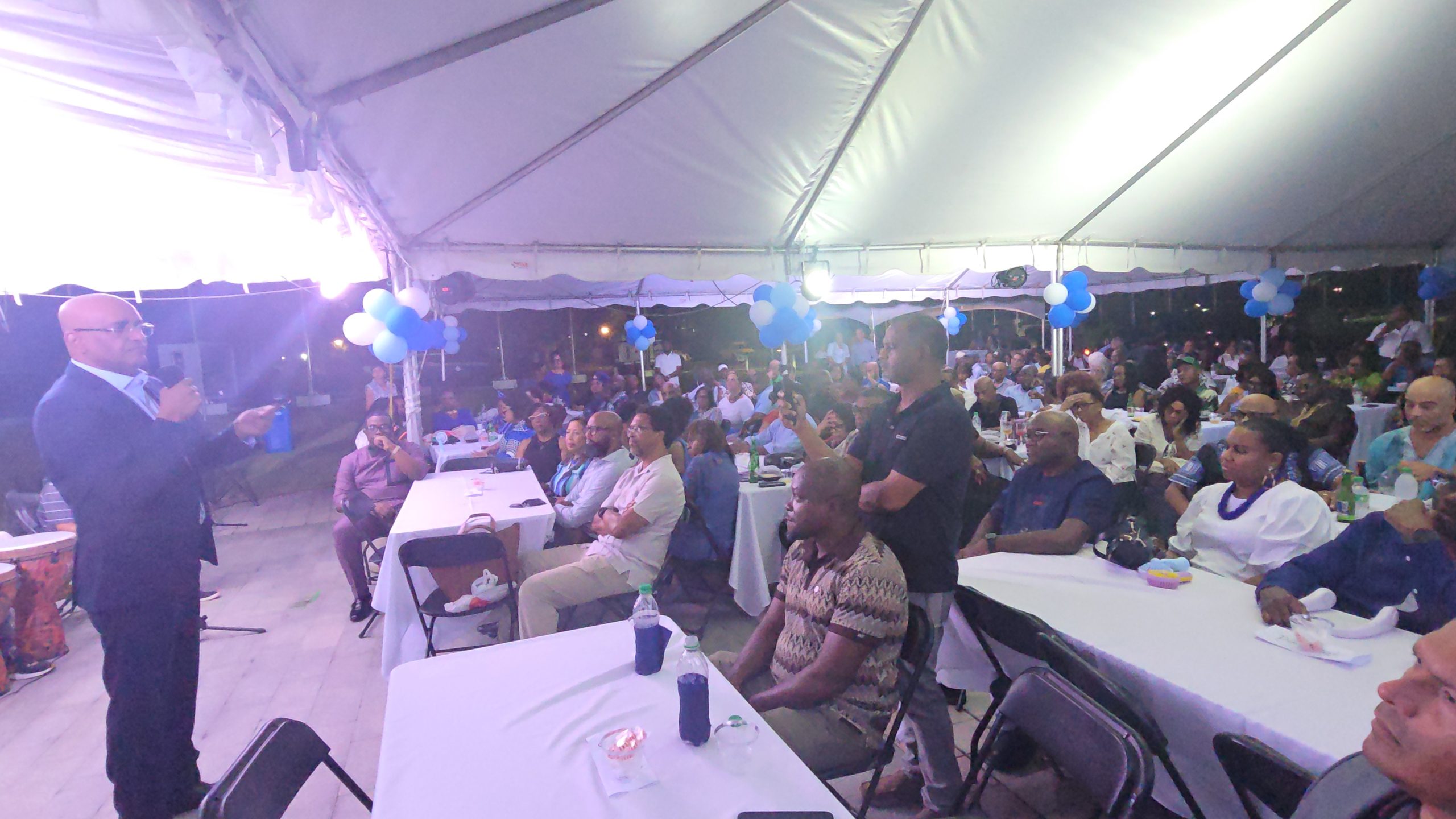
Parliamentary leader of the opposition A Partnership for National Unity (APNU), Dr Terrence Campbell says People’s Progressive Party Civic (PPPC) General Secretary Bharrat Jagdeo’s recent call for his party and the People’s National Congress Reform (PNCR) to forge closer relations is grounded in fear of being defeated by a united opposition.
“Let me be clear: Jagdeo has little interest in the survival or political resurgence of the PNCR for its own sake. His overture is better understood as an attempt to secure the PNCR’s cooperation in preserving the long-term dominance of the PPP/C,” said Dr Campbell, a PNCR member, in a Facebook post.
“His (Jagdeo’s) greatest political concern is the prospect of the PNCR in a broader opposition coalition capable of displacing the PPP/C from office,” he said.
Dr Campbell observed that Mr Jagdeo did not refer to the main opposition We Invest in Nationhood (WIN), a political newcomer, that won 16 of the 29 opposition seats in the September 2025 general elections.
APNU has 12 seats and Forward Guyana Movement, one.
“Ironically, the emergence of a third significant political force may create conditions more favourable to power sharing than those that existed under Guyana’s previous two-party-dominated political landscape. However, this raises an important question: why did Jagdeo make no reference to WIN in his remarks?,” he said.
Dr Campbell said historically, whenever the PPP/C and the PNCR explored the possibility of working together, their combined electoral support likely exceeded 90 per cent of the electorate.
That political landscape has now changed with the emergence of the WIN party, he added.
Mr Jagdeo cautioned on October 15 during his tribute to late PNCR leader Robert Corbin that unless the PPP and the PNC change their old way of thinking, they “will face extinction.”
The APNU parliamentary spokesman stopped short of openly dismissing Mr Jagdeo’s call for the PPPC and PNCR to find a way of working together “at some level and in some fashion”.
He said Mr Jagdeo, who is Guyana’s 2nd vice president, offered no indication of the framework through which such cooperation might be achieved.
“Over the past year, however, we have witnessed a series of actions by the PPP/C government that raise serious questions about its commitment to cooperation and inclusivity,” he said.
Dr Campbell, a recent newcomer to the PNCR’s politics, also questioned why the PPP/C should face extinction when it holds the reins of government and commands financial resources of a scale previously unimaginable in Guyana.
He also said a united opposition could also threaten the political and economic arrangements that critics contend have enabled the preferential distribution of state resources to PPP/C supporters and other beneficiaries.
“More consequentially for those who may have accumulated wealth improperly during the past six years, a change of government could bring greater scrutiny and accountability,” he said.
Dr Campbell said the PPPC administration has not demonstrated an invitation to cooperate that offers a clear framework for power sharing, credible commitments to institutional inclusion and convincing evidence that the government is prepared to surrender any meaningful portion of its executive authority.
“The critical question is therefore not whether the PNCR and the PPP/C should work together. It is whether Jagdeo is proposing genuine power sharing in the national interest or merely seeking a political arrangement that would protect his party’s dominance?
Discover more from Demerara Waves Online News- Guyana
Subscribe to get the latest posts sent to your email.