

Last Updated on Sunday, 4 October 2026, 20:56 by Writer
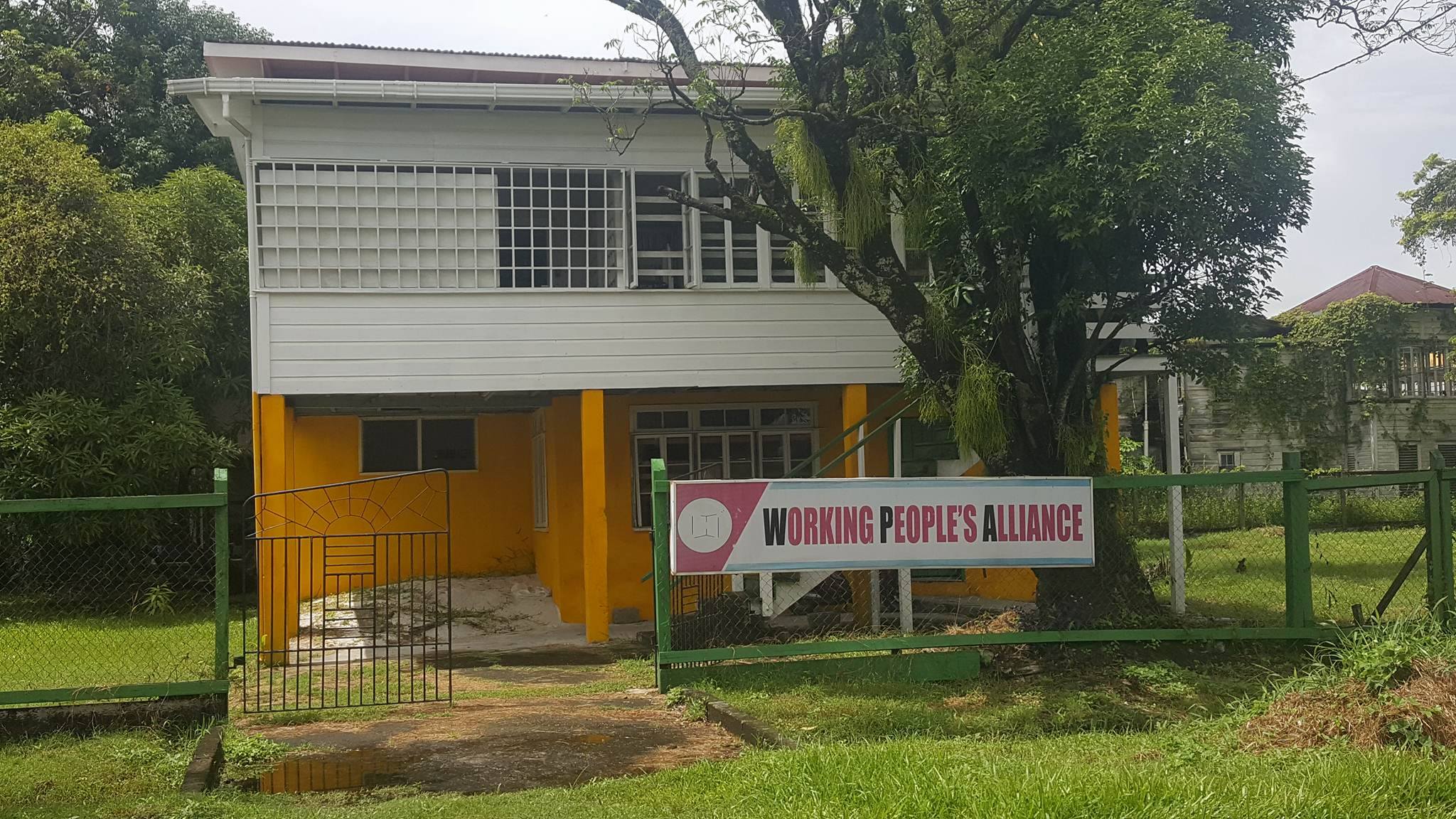
The Working People’s Alliance (WPA), whose co-founder, Dr Walter Rodney, was assassinated at the height of its civil rebellion to remove the People’s National Congress (PNC) dictatorship of the 1970s and 1980s, on Sunday hailed late PNCR leader Robert Corbin for putting differences aside and establishing a coalition that came to power in 2015.
“He displayed tremendous political courage when he decided to engage the WPA, the then archenemy of the PNC. We later found out that this was driven by a commitment to power sharing, national unity, and political pragmatism. He was, therefore, an impactful leader, who at a critical historical juncture placed cause and the collective good above narrow partisan interests,” the WPA said on the passing of Mr Corbin.
Mr Corbin died at a city hospital on Sunday at 78 years old.
The WPA, however, registered its disappointment that the then president David Granger-led A Partnership for National Unity+Alliance For Change (APNU+AFC) administration did not take advantage of Mr Corbin’s wealth of experience.
“In this regard, WPA was disappointed that his immense political skills were not properly utilized by the APNU-AFC government,” said the party whose co-founder was killed on June 13, 1980 near the Georgetown Prison by a bomb-in-walkie-talkie that was provided by Guyana Defence Force (GDF) electronics expert Gregory Smith.
He and his family were days later whisked out of Guyana to French Guiana where he lived and worked under the name Cyril Johnson until he died.
During the period of political turmoil, leading WPA members of that time had been accused of burning down the PNC headquarters then located on Camp Street, Georgetown.
The WPA has stopped issuing annual commemorative statements about Dr Rodney’s assassination.
In joining the rest of Guyana in mourning Mr Corbin’s death, the WPA said he was the PNC leader that the WPA worked closest with and as one of the architects of the APNU.
He led the PNC delegations during the talks and negotiations with the WPA that eventually led to the birth of the partnership, the WPA said.
“Mr. Corbin was a shrewd and fierce negotiator but was respectful to the WPA and other parties. If he was afflicted by the Big Party-Small Party syndrome, he never displayed it. That the APNU was broadened to include
other so-called small parties, is testimony to his commitment to inclusion as genuine praxis,” the WPA said.
That party hoped that his legacy will eventually find its rightful place in the “veins of our country’s body politic.”
The WPA, once a vibrant third party that had pulled support from across the Afro-Indo racial divide, said Mr Corbin died at a time when Guyana’s politics is “bereft of the civility that guided his attitude during the period in question.”