

Last Updated on Tuesday, 10 November 2026, 23:41 by Written By Denis Chabrol
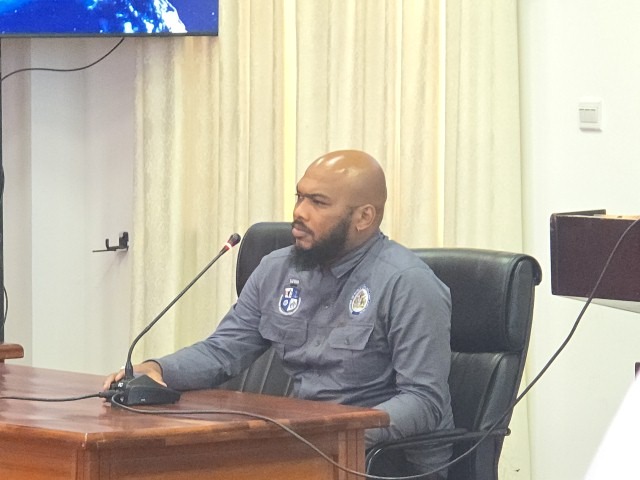
The presidential Commission of Inquiry (COI) appeared to have found “significant” safety flaws were found aboard the MV Barima ferry eight months before it capsized by an inspector of the Maritime Administration (MARAD).
“So when you note what I consider to be significant deficiencies, especially safety deficiencies, we have a concern. I have a concern,” COI commissioner, Trinidad and Tobago lawyer and maritime specialist, Nyree Dawn Alfonso remarked on Tuesday.
She was at the time questioning MARAD inspector Christopher Bailey after he said the more than 200 lifejackets aboard the vessel had lights that would automatically come on when contact was made with water. Fisherman Haresh Singh earlier Wednesday testified at the inquiry that he did not see any lifejackets with lights during the search and rescue operation after receiving information that the MV Barima had capsized on July 18, 2026 enroute from Georgetown to Port Kaituma. He also said no fire extinguishers were seen in the accommodation area of the vessel.
Though Mr Bailey said it was not necessary for the lifejackets to be fitted with lights under the legislation he was required to operate with, he said it was under the Safety Of Life At Sea (SOLAS) convention for vessels operating internationally. He believed that life-vests without lights are acceptable for coastal vessels in accordance with laws governing coastal passengers and trade.
Under oath, the MARAD inspector concurred with Ms Alfonso that the absence of hand flares, parachute flares,, smoke signals and flare guns amounted to a “significant deficiency”
He said after the report was submitted to the MARAD director of safety, that document was supposed to be forwarded to Transport and Harbours Department of the Ministry of Public Works for corrective action to be taken. After then, he said a MARAD inspector returns and verifies whether that was done. Mr Bailey said no follow-up was done because he did not receive a notification. “There was no follow up. I did not receive any instructions to follow up,” he said.
The MARAD inspector could not answer whether a number of certificates ought to have been aboard the vessel.
Mr Bailey also confirmed to another COI inquirer, Trinidad and Tobago Retired Rear Admiral Hayden A. Pritchard that there was no crane documentation, no radar, no Automatic Identification System (AIS) , Emergency Position-Indicating Radio Beacon (EPIRB) no stability data, no distress signal capability, no serviceable life raft, insufficient life rafts, no emergency generator, and no fixed power-driven fire pump.
Generally speaking, Mr Pritchard asked whether a vessel with those deficiencies would be unsafe to operate to which the MARAD inspector replied: “No, those deficiencies need to be clear,” he said.
Mr Bailey said he was unaware that a similar inspection in 2024 had uncovered the same flaws in the MV Barima. “Before commencing the inspection, I did not review previous inspection documents. I’ve been on the job for approximately three months. I was given access to these documents,” he said.
Another COI member, Senior Maritime Surveyor and Compliance Auditor with the Maritime Authority of Jamaica, Captain Hamada Fouda said expired life rafts is a detainable deficiency and so the ship should not have left port. Mr Bailey said he did not recommend that the vessel be stopped until that deficiency was rectified.
On the matter of the number of life-jackets for the MV Barima, the MARAD inspector said there was no certificate with the capacity. He also said there was no emergency generator or fire suit, and no “man overboard” alarm was seen aboard the vessel if a passenger or crew falls of the vessel.
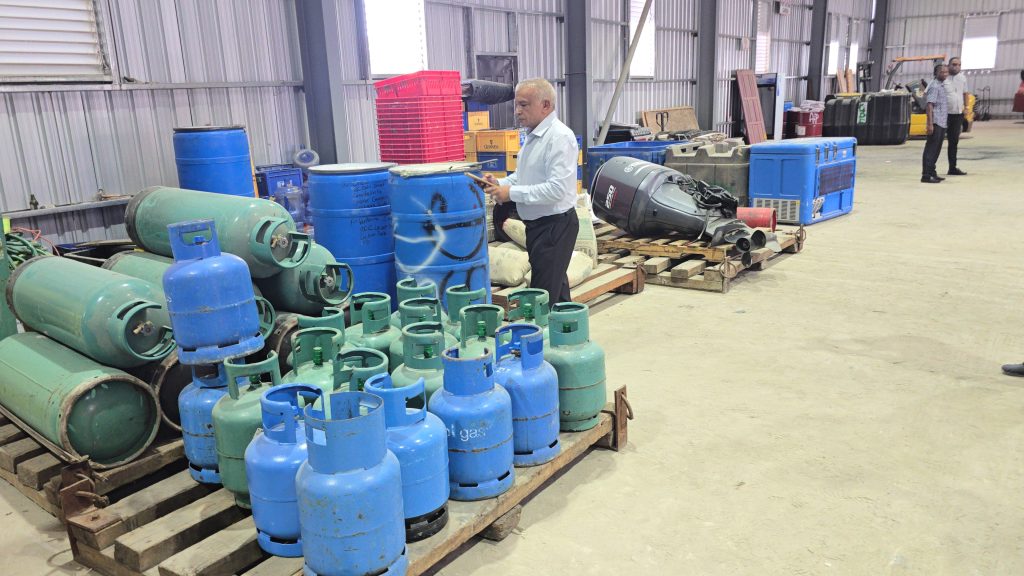
Mr Bailey also told the COI that he did not know that acetylene, LPG (cooking gas) and oxygen cylinders should be classified under the International Maritime Organisation’s (IMO) dangerous code loading along with passengers aboard without segregation. He also said he did not see the certificate of inspection or passenger ship certificate on the vessel in keeping with the Shipping Act.
Throughout his testimony, the MARAD inspector maintained that he did not allow the MV Barima to sail because it was docked for maintenance.
Discover more from Demerara Waves Online News- Guyana
Subscribe to get the latest posts sent to your email.