
Last Updated on Tuesday, 15 September 2026, 6:31 by Written By Denis Chabrol
Guyana is intensifying efforts to eliminate several infectious diseases while strengthening laboratory capacity, healthcare worker training and clinical quality across the health system, Minister of Health, Hon. Dr. Frank Anthony, has said.
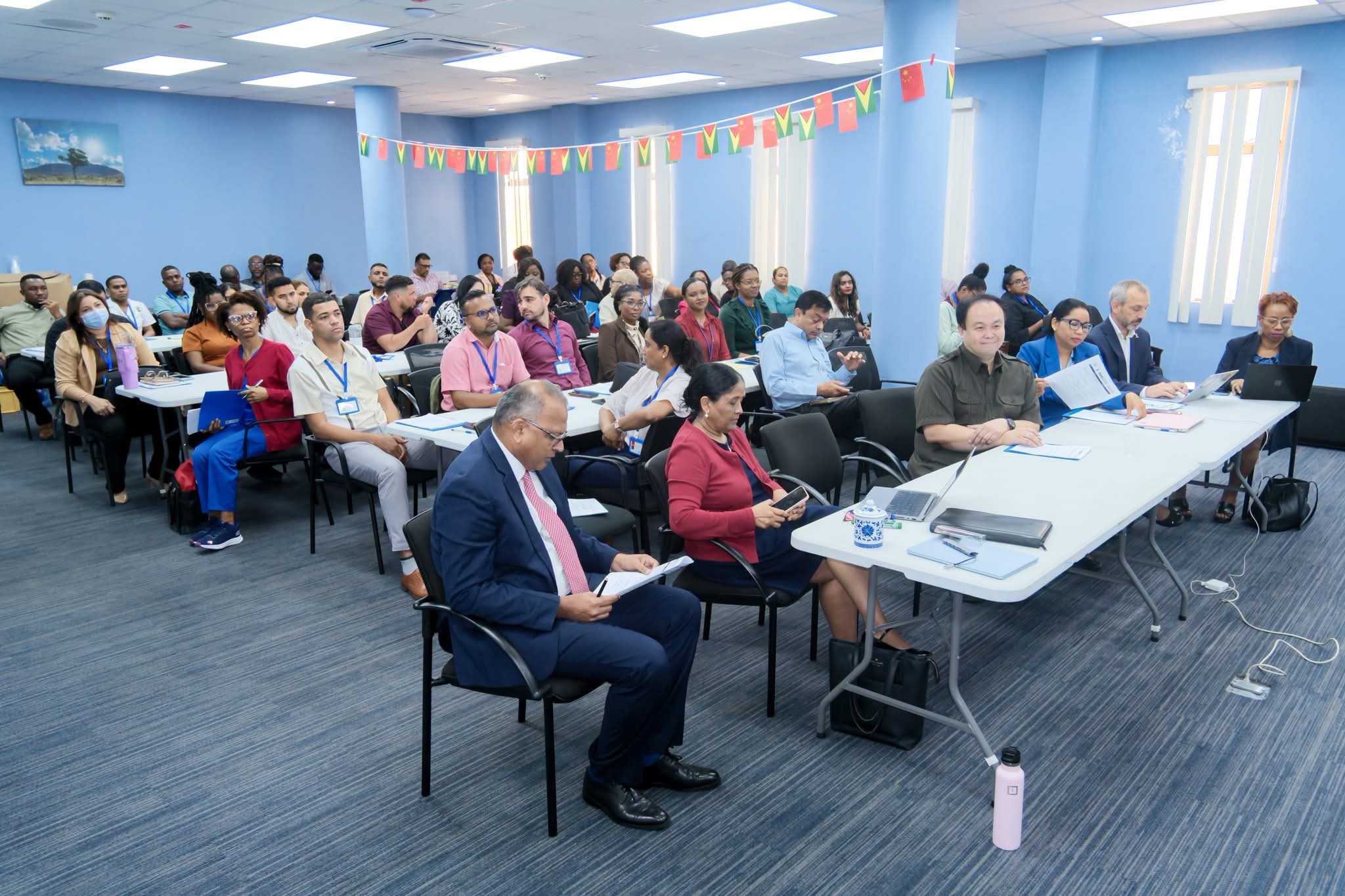
Dr. Anthony outlined the initiatives while addressing the Strengthening Clinical Capacity for the Management of Advanced HIV Disease in Guyana workshop, being held at the Ministry of Health’s Boardroom, Brickdam, from September 14–15, 2026.
The Minister highlighted Guyana’s ongoing efforts to eliminate several infectious diseases, identifying lymphatic filariasis, leishmaniasis, leprosy, malaria and hepatitis C as areas where significant progress has been made and where further action could result in elimination or substantial reductions in disease burden.
Guyana is currently undergoing evaluations related to lymphatic filariasis.
Dr. Anthony expressed optimism that the country is approaching the point at which it can be certified as having eliminated the disease.
He also highlighted ongoing efforts to address leishmaniasis and leprosy, while noting that Guyana must increasingly shift its approach to malaria from control towards elimination.
The Minister said Guyana has also begun strengthening its response to hepatitis C, noting that the high cost of treatment had historically been a significant barrier to providing care.
According to Dr. Anthony, through collaboration with the Pan American Health Organization (PAHO), medicines can now be obtained for less than US$100 per patient, creating an opportunity to expand diagnosis and treatment.
“The reason why we targeted hep C is that we were diagnosing people when they came for blood transfusion, but we didn’t have a means of treating them,” he was quoted as saying in a Ministry of Health statement.
He said the focus now must be on developing programmes to ensure that persons diagnosed with hepatitis C are appropriately linked to treatment.
Dr. Anthony further highlighted plans to strengthen Guyana’s laboratory and disease-surveillance capabilities.
A new reference laboratory is being constructed and will be equipped with improved technology to enhance the country’s capacity to conduct molecular surveillance and detect infections earlier.
“These investments will strengthen Guyana’s capacity to respond to emerging infectious diseases,” the Minister said, adding that local laboratories could eventually serve as reference laboratories for specific conditions.
He noted that new technologies and diagnostic techniques will increasingly be employed to strengthen the country’s ability to identify infections earlier and respond more effectively to emerging health threats.
Dr. Anthony stressed that strengthening the health system also requires sustained investment in its human resources.
He highlighted opportunities for Guyanese healthcare professionals to access training and fellowships through international partnerships with institutions in Brazil, the United States, Canada, India and the United Kingdom.
Among the institutions and partners referenced were Harvard University, Mount Sinai Health System, Northwell Hospital, McMaster University and Apollo University, alongside other international collaborators.
The Minister encouraged physicians, nurses and other healthcare professionals to take advantage of these opportunities to strengthen their skills and contribute to improved patient care in Guyana.
He also noted that additional online training opportunities are available through programmes offered by universities in the United Kingdom.
The Ministry of Health is also preparing to introduce a strengthened approach to clinical quality governance at hospitals.
Under the initiative, teams will visit hospitals to review patient charts and assess whether care is being provided in accordance with established Ministry of Health clinical guidelines.
Where gaps are identified, the teams will work with healthcare providers to address deficiencies and improve clinical practice.
Dr. Anthony said the initiative is intended to ensure that healthcare facilities consistently meet expected standards, while noting that persistent failure to adhere to established clinical guidelines will require further action.
The Ministry is also working with Joint Commission International (JCI) through a pathway programme aimed at improving the quality of services delivered at hospitals.
Dr. Anthony emphasised that the patient must remain at the centre of all efforts to strengthen the health system.
“Ultimately, the people that we should have in focus are our patients,” he said, stressing that hospital care must be patient-centred and aimed at delivering the best possible outcomes.
The Minister said the various initiatives being undertaken by the Ministry, including strengthening HIV services, disease surveillance, laboratory capacity, healthcare worker training and clinical quality governance, are intended to build a stronger health system capable of responding effectively to both existing and emerging health challenges.
He urged healthcare professionals participating in the workshop to apply the knowledge and skills gained in their respective health facilities and hospitals.
Dr. Anthony said this will contribute to the broader objective of raising the quality of healthcare delivered to the people of Guyana while strengthening the country’s capacity to prevent, diagnose, treat and ultimately eliminate priority infectious diseases.
Discover more from Demerara Waves Online News- Guyana
Subscribe to get the latest posts sent to your email.